

A collision happens fast. One moment you are driving through traffic on your way to work or heading home after a long day, and the next you are sitting in a damaged car trying to work out what just happened. The confusion that follows is normal, and it is exactly why having a plan before you need one matters so much.
The steps below walk through what to do in the first minutes after a crash in San Diego, and what to handle in the hours and days that follow. None of it requires special training. It requires a clear order of operations, careful note taking, and a willingness to put your health ahead of everything else.
Start With Safety and Check for Injuries
Before anything else, get yourself and everyone else out of harm’s way. If the vehicles can be moved and it is safe to do so, shift them out of active traffic. If they cannot be moved, turn on hazard lights and stay alert to passing vehicles. Standing in a live lane while discussing the crash is one of the most avoidable risks at any accident scene.
Check yourself first, then check your passengers, then check the people in the other vehicle if you can do so safely. Adrenaline can mask pain in the moment, so a quick self assessment matters. If anyone appears seriously hurt, do not move them unless there is an immediate danger such as fire or oncoming traffic, and wait for emergency responders.
- Turn on hazard lights and move to a safe location if the vehicles can be driven
- Check for injuries in your car and the other vehicle
- Keep passengers, especially children, away from traffic lanes
- Avoid standing between vehicles or in the roadway while waiting
Call 911 and Get the Crash on Record
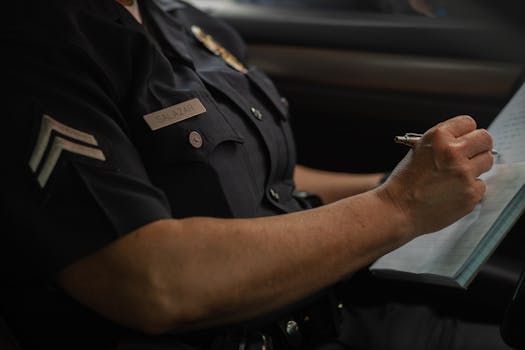
For an injury accident, a crash blocking traffic, or any situation where the scene feels unsafe, call 911. Contacting law enforcement is recommended for both insurance and legal purposes, because the resulting report creates an independent record of what happened, where it happened, and who was involved. That record can matter a great deal later if the facts of the collision are disputed.
When officers arrive, give them a straightforward account of what you observed. Stick to what you actually saw and experienced rather than what you assume happened. Ask how you can obtain a copy of the report afterward, and write down the report number if one is provided. If the other driver leaves the scene or refuses to cooperate, tell the responding officer right away.
Exchange Information With Everyone Involved
Collect identifying and insurance details from the other driver or drivers before anyone leaves the scene. This is one of the most basic steps after a car accident in San Diego, and it is also one of the most commonly rushed. Take your time and confirm that the details are legible and complete.
- Full name and contact information for each driver
- Driver’s license information
- Insurance company name and policy information
- Vehicle make, model, color, and license plate number
- Contact details for any passengers or witnesses willing to share them
If there are witnesses nearby, ask whether they would be willing to be contacted later. Independent accounts can be valuable, and people tend to disperse quickly once the scene clears. Note their names and phone numbers while they are still present.
Document the Scene While It Is Fresh
Take photos before the vehicles are moved if it is safe to do so. Photograph each vehicle from several angles, the position of the cars relative to lanes and intersections, damage close up, road conditions, signage, lighting, and anything else that could help explain how the collision occurred. Wide shots and close shots both serve a purpose.
Then write it down. Memory fades faster than most people expect, especially after a stressful event. Record the date and time, the location, weather and visibility, traffic conditions, and a plain description of what you saw in the moments before impact. Keep your notes factual and avoid guessing at fault or speed if you do not know.
| What to Gather | Why It Helps |
|---|---|
| Photos of vehicles, positions, and road conditions | Shows damage and scene layout before anything is moved |
| Driver and insurance details | Identifies the parties and the responsible policies |
| Witness names and contact information | Preserves independent accounts before people leave |
| Police report information | Creates an official record of the incident |
| Written notes on time, place, and conditions | Supports your recollection later when details blur |
Get Medical Attention, Then Follow Through
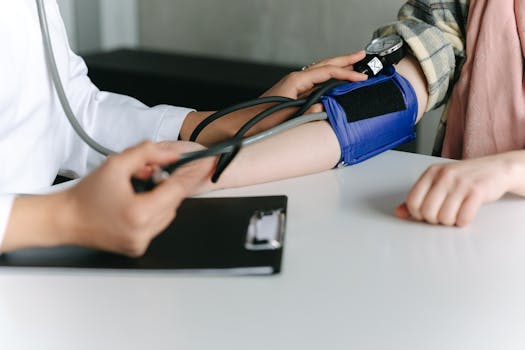
Seek medical attention after the crash even if you feel fine at first. Some injuries do not announce themselves right away, and symptoms can appear or worsen over the following days. A prompt evaluation gives you a clinical record connected to the accident, which matters for both your health and any claim you pursue.
Just as important is following the treatment plan you are given. Attend follow up appointments, complete referrals, and keep going until a provider tells you it is appropriate to stop. Gaps in treatment are difficult to explain later, and insurers tend to examine those gaps closely.
Keep every record from this process. Medical bills, treatment notes, and related documentation should go into one place from the very beginning, because reconstructing them months later is far harder than collecting them as you go.
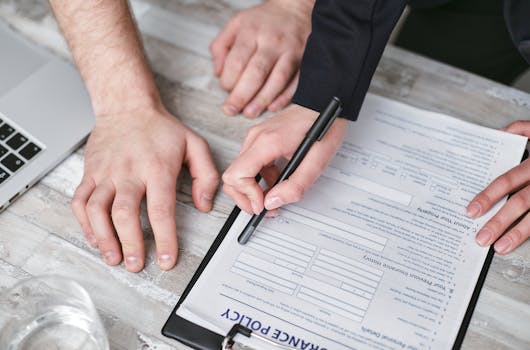
Report the Accident to Your Insurance Company
Notify your own car insurance company about the collision promptly. Reporting the accident to your insurer is a standard step, and delay can create complications even when you believe the other driver was entirely at fault. Give them the facts you have gathered and the report information if it is available.
Be thoughtful about how you communicate with any insurer, including the other driver’s carrier. Stick to what you know, avoid speculation about fault, and be cautious with recorded statements. If you are unsure how much to say, it is reasonable to pause and get advice before continuing the conversation. Keep a record of who you spoke with, when, and what was discussed.
Organize Your Records in the Days That Follow
During the following days, organize all accident related documents into a single file. Keep records of medical bills, repair estimates, transportation costs, and any correspondence connected to the crash. This includes rideshare receipts or rental costs while your vehicle is being repaired, along with any written communication from either insurance company.
Many people find it useful to keep a running log of the aftermath in addition to the paperwork. Note missed work, days when pain interfered with normal activity, and appointments you attended. These details are easy to forget and much harder to reconstruct from memory alone.
Take Care of Your Emotional Well-Being
Post accident stress is not only about physical injuries. Addressing emotional well-being is part of recovering from a crash, and it deserves the same attention as a sore neck or a damaged bumper. Anxiety while driving, disrupted sleep, and difficulty concentrating are common responses in the weeks after a collision.
Tell your doctor if you are struggling. Support is available, and mentioning it during a medical visit creates a record that your recovery involved more than physical treatment. Family and friends can help with errands and transportation, so accept that help rather than trying to carry everything alone.
Know When to Bring in an Attorney
Some crashes resolve cleanly through insurance. Others become complicated quickly, particularly when injuries are significant, fault is disputed, or an insurer’s offer does not reflect the full picture of what the crash cost you. A San Diego injury attorney can review the facts, explain your options, and handle communication with insurers on your behalf.
Bringing in legal help early also preserves evidence while it still exists. Witness memories fade, footage may be overwritten, and vehicles get repaired. If you are unsure whether your situation calls for representation, a conversation costs little and can clarify where you stand.
If you are dealing with injuries after a collision in San Diego, Temecula, or Murrieta, getting a clear assessment of your situation early gives you room to make decisions rather than react to pressure. Keep your records organized, follow your treatment plan, and ask questions before signing anything.
Frequently Asked Questions
Should I call 911 after a car accident in San Diego?
Call 911 when someone is injured, when vehicles are blocking traffic, or when the scene feels unsafe. Even in a minor collision, contacting law enforcement is recommended for insurance and legal purposes because it creates an independent record. If officers do respond, ask how to obtain a copy of the report.
Do I need to see a doctor if I do not feel hurt?
Yes. Some injuries do not produce obvious symptoms immediately, and discomfort can appear or intensify over the following days. A prompt medical evaluation protects your health and creates a clinical record linked to the crash. Follow through with any treatment and follow up recommendations you receive.
What documents should I keep after a crash?
Keep medical bills, treatment records, repair estimates, transportation costs, correspondence with insurers, the police report information, and witness contact details. Store everything in one file and add to it as new records arrive. Organizing documents during the days after the accident is far easier than reconstructing them later.
Should I give a recorded statement to the other driver’s insurer?
Be cautious. You can confirm basic facts, but recorded statements can be used in ways that are not obvious at the time. It is reasonable to slow the conversation down, ask for questions in writing, or speak with an attorney before continuing. Keep notes on who contacted you and when.
How do I know if I need an attorney after an accident?
Consider speaking with an attorney if injuries are serious, fault is disputed, or an insurance offer seems incomplete relative to your medical costs, lost work, and other expenses. An early conversation also helps preserve evidence while it is still available. There is no obligation to hire anyone after asking questions.


